Balancing Vata, Pitta & Kapha: The Foundation
5 min read
Ayurveda describes three functional principles, the doshas, that govern how the body works. Vata governs movement, Pitta governs digestion and transformation, and Kapha governs structure and lubrication. Everyone has all three; what differs from person to person is the proportion.
The proportion you are born with is your Prakriti, your constitution. The state you are in today is your Vikriti. Health, in Ayurvedic terms, is the two matching. Illness begins when one dosha rises and stays raised.
We do not treat a dosha. We treat the distance between the constitution you were born with and the state you are in today.
This is why two people with the same complaint can leave our center with different advice. Nadi Pariksha, the pulse examination, lets the physician read both your constitution and your present imbalance, often before symptoms have become obvious.
Balance is then restored through three channels: diet (Ahara), daily routine (Vihara) and, where they are needed, herbal preparations or Panchakarma. The first two are in your own hands every day.
How each dosha shows itself
- Vata, when raised: dry skin, restless sleep, stiff or cracking joints, anxiety, irregular digestion.
- Pitta, when raised: acidity, skin irritation, a sense of heat, irritability, burning sensations.
- Kapha, when raised: heaviness, congestion, sluggish digestion, lethargy, fluid retention.
Daily habits that keep the doshas steady
These are general measures. A consultation turns them into a plan for your own constitution.
- Keep regular hours for waking, meals and sleep; routine is the first remedy for Vata.
- Eat your main meal at midday, when the digestive fire is strongest.
- Favour warm, freshly cooked food over cold or reheated food.
- Adjust with the season: lighter food in humid weather, more nourishing food in dry or cool weather.
- Warm oil massage (Abhyanga) before bathing calms Vata and supports circulation.
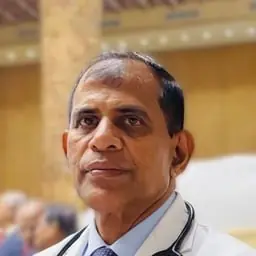
Dr. Sarath Wimalagunasekara
Founder, Chief Ayurvedic Medical Officer
Dr. Sarath graduated with clinical honours from the Institute of Indigenous Medicine at the University of Colombo. Over 28 years he has treated more than 15,000 local and international patients, and he personally oversees every Panchakarma protocol and herbal formulation prepared at the dispensary.
