Gastritis (Amlapitta): Ayurvedic Treatment, Diet and Causes

4 min read
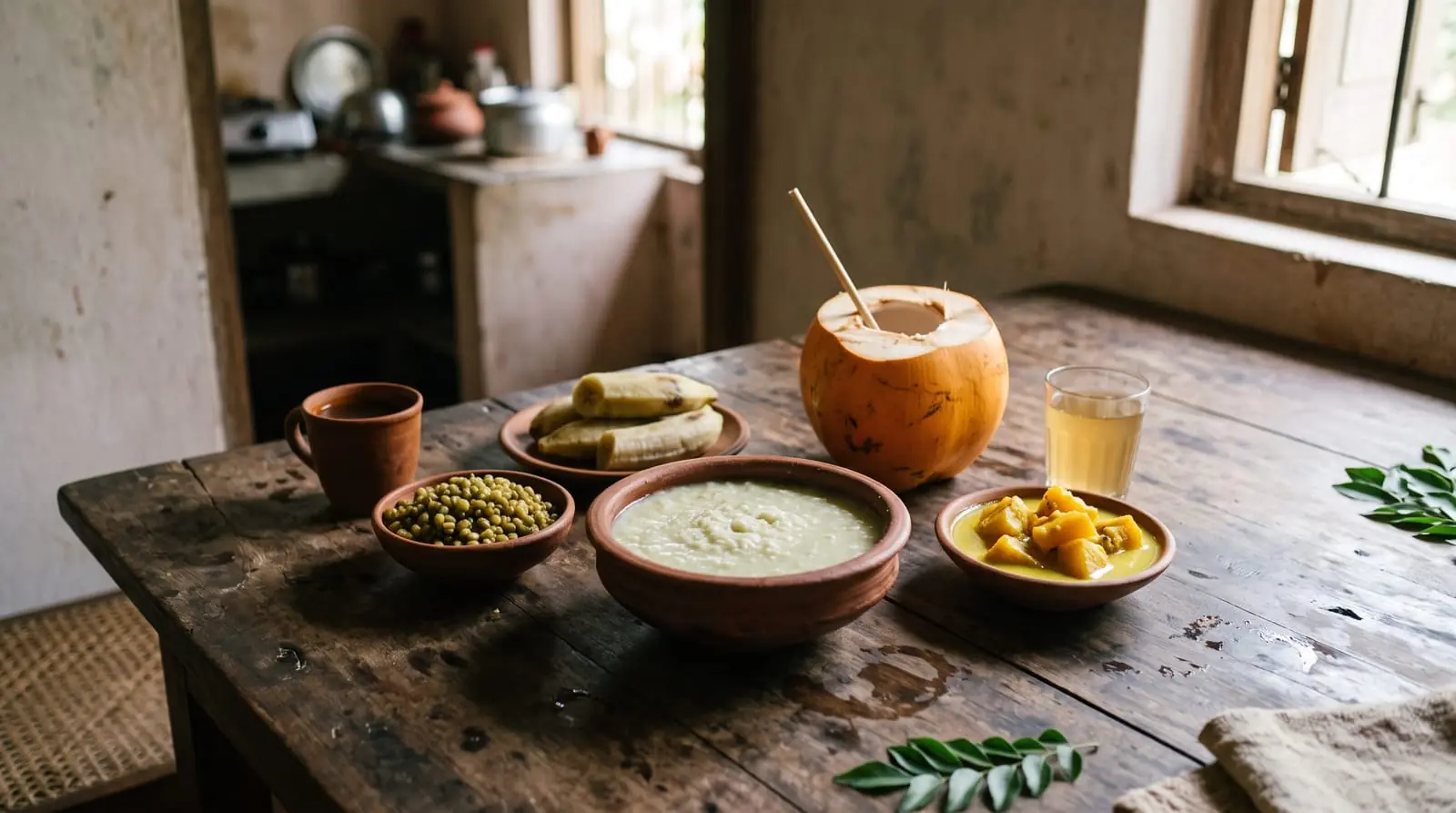
A burning feeling in the upper stomach, sour belching, nausea and bloating after meals: gastritis is among the most common complaints in Sri Lanka today. Irregular meals, spicy food, stress and frequent painkillers all play a part.
Gastritis means inflammation of the stomach lining. Ayurveda describes the same picture as Amlapitta, a condition in which Pitta, the principle of heat and digestion, becomes excessive and sour. Treatment looks beyond the acid itself to the eating habits and routines that keep producing it.
Medicine can settle the burning within days. Keeping it settled is the work of the kitchen and the clock.
In Ayurvedic terms a healthy stomach depends on Agni, the digestive fire, burning steadily. Skipped meals, late dinners, very spicy, sour or fried food, alcohol, smoking, anger and worry all disturb it. Food is then only partly digested, Pitta rises, and the lining of the stomach becomes irritated.
Modern medicine identifies further causes that should not be overlooked, in particular infection with the bacterium Helicobacter pylori and regular use of painkillers such as aspirin, ibuprofen and diclofenac. If your symptoms persist, your doctor may advise tests for these alongside Ayurvedic care.
Common symptoms of gastritis
- Burning or gnawing pain in the upper abdomen, often worse when the stomach is empty.
- Sour or bitter belching and heartburn.
- Nausea, and sometimes vomiting.
- Bloating and a feeling of fullness soon after starting a meal.
- Loss of appetite.
How Ayurveda treats Amlapitta
Treatment has three parts: remove the cause, calm Pitta and restore Agni. After a pulse examination your Ayurveda doctor prescribes cooling, soothing herbal preparations, usually as freshly made decoctions (Kashaya), powders (Churna) or medicated ghee, chosen for your constitution and for how long you have had the problem.
In long-standing cases a supervised purification such as Virechana, which clears excess Pitta from the digestive tract, may be recommended. A written diet and routine, the Pathya, is part of every prescription, because without it the symptoms return.
Gastritis diet: foods that help
- Warm, freshly cooked, mildly spiced meals eaten at regular times.
- Rice, rice porridge (kenda) and well-cooked green gram.
- Cooked vegetables such as pumpkin, ash plantain, snake gourd and ridge gourd.
- Tender coconut water, pomegranate and ripe banana.
- Coriander or cumin water sipped through the day.
Foods and habits to avoid
- Very spicy, sour, fried and oily food.
- Tea and coffee on an empty stomach, fizzy drinks and alcohol.
- Skipping meals, eating late at night, and lying down straight after eating.
- Smoking.
- Taking painkillers regularly without medical advice.
When stomach pain needs urgent care
See a doctor without delay, and do not rely on home remedies, if you notice any of the following.
- Vomiting blood, or material that looks like coffee grounds.
- Black, tarry stools.
- Severe or sudden abdominal pain.
- Difficulty swallowing, or food sticking.
- Unexplained weight loss or persistent vomiting.
- Symptoms that continue for more than two weeks despite treatment.
Frequently asked questions
Can gastritis be cured with Ayurveda?
Many patients find lasting relief with Ayurvedic treatment combined with changes to diet and routine. Where there is an underlying cause, such as H. pylori infection or regular painkiller use, that cause must be dealt with too.
How long does Ayurvedic treatment for gastritis take?
Burning and belching often ease within one to two weeks. Long-standing gastritis usually needs several weeks of medicine and a longer period of careful eating.
Is milk good for gastritis?
A small amount of milk may give brief relief, but for some people it increases acid later. Follow the diet your doctor sets for your constitution.
Can I take Ayurvedic medicine together with my antacid?
In most cases yes, but tell your Ayurveda doctor everything you take so that the two can be timed properly. Do not stop a prescribed medicine on your own.
Dr. Sarath Wimalagunasekara
Founder, Chief Ayurvedic Medical Officer
Dr. Sarath graduated with clinical honours from the Institute of Indigenous Medicine at the University of Colombo. Over 28 years he has treated more than 15,000 local and international patients, and he personally oversees every Panchakarma protocol and herbal formulation prepared at the dispensary.
