Frozen Shoulder: Ayurvedic Treatment, Recovery and Home Care

5 min read
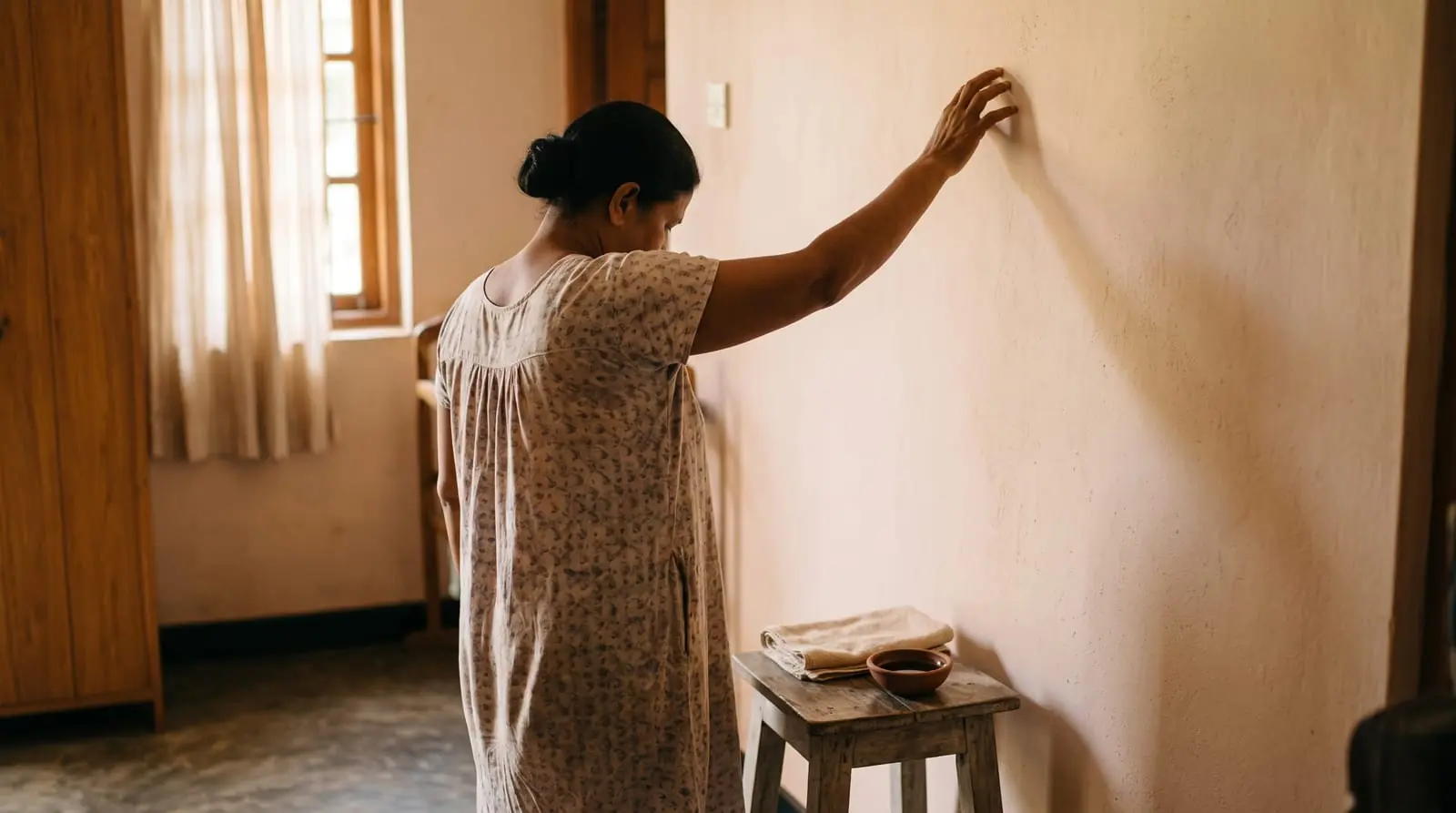
Frozen shoulder, known medically as adhesive capsulitis, starts quietly. Reaching for a shelf or fastening a blouse begins to hurt, and over a few months the shoulder becomes so stiff that the arm will hardly lift. It is most common between the ages of 40 and 60 and is seen more often in people with diabetes.
In Ayurveda the condition is described as Apabahuka, a disorder in which aggravated Vata dries and stiffens the shoulder joint. It is one of the joint conditions we treat most often at Ayur Jeewaka, and it responds best when treatment starts early.
A frozen shoulder does thaw, but it thaws faster, and with far less pain, when the joint is treated and kept moving.
The stiffness comes from the capsule, the sleeve of tissue around the joint, which thickens and tightens. Left alone, the condition usually passes through three stages over one to three years. Treatment aims to shorten that course and to protect the movement you still have.
Several other problems can imitate a frozen shoulder, including a torn tendon, arthritis and a trapped nerve in the neck. Your Ayurveda doctor will therefore examine both the shoulder and the neck before recommending a course.
The three stages of frozen shoulder
- Freezing: pain builds, especially at night, and movement starts to reduce. This stage can last from six weeks to nine months.
- Frozen: the pain eases but the shoulder is at its stiffest, and daily tasks are difficult. This usually lasts four to six months.
- Thawing: movement slowly returns, over six months to two years.
How Ayurveda treats frozen shoulder
Treatment combines external therapies, which loosen the joint, with internal medicine, which calms Vata and inflammation. The mix changes with the stage: in the painful freezing stage the approach is gentle and warming; once the pain settles, the focus moves to restoring movement.
- Abhyanga: warm medicated oil massage of the shoulder, neck and arm. Oils such as Murivenna and Sahacharadi are used at our center.
- Patra Pinda Sweda: fomentation with warm boluses of medicinal leaves to relax the capsule and ease pain.
- Nasya: medicated oil given through the nose, classically indicated for disorders above the collarbone.
- Kashaya and other oral medicines, prepared for the individual patient.
- Guided stretching, introduced as the pain allows.
Frozen shoulder exercises you can do at home
Do these gently, once or twice a day, after a warm shower or fomentation. A mild stretching discomfort is expected; sharp pain means stop.
- Pendulum swing: lean forward with the good arm on a table, let the affected arm hang, and swing it in small circles.
- Wall walk: face a wall and walk your fingers up it as high as is comfortable, then down again.
- Towel stretch: hold a towel behind your back with both hands and use the good arm to draw the affected arm gently upwards.
- Cross-body stretch: use the good arm to bring the affected arm across the chest and hold for 15 to 20 seconds.
What to avoid
- Keeping the arm completely still or in a sling; rest makes the stiffness worse.
- Forcing the shoulder through sharp pain.
- Sleeping on the affected side.
- Cold draughts and cold compresses on a stiff shoulder; warmth usually suits it better.
- Leaving diabetes poorly controlled, which slows recovery.
When to see a doctor
Arrange a consultation if shoulder pain disturbs your sleep, if you cannot lift the arm to shoulder height, or if stiffness has lasted more than two or three weeks. Seek urgent care if the pain followed a fall or injury, if the shoulder is hot, red and swollen, or if shoulder pain comes with chest pain or breathlessness.
Frequently asked questions
How long does frozen shoulder take to heal?
Without treatment it commonly takes one to three years. With treatment and regular exercise most patients regain comfortable movement sooner, though the time varies with the stage at which treatment begins and with conditions such as diabetes.
Is massage good for frozen shoulder?
Gentle warm oil massage and fomentation help to ease pain and prepare the joint for stretching. Forceful massage or manipulation of a painful shoulder can make it worse and should be avoided.
Should I use heat or ice on a frozen shoulder?
For a stiff, aching frozen shoulder, warmth usually works better and is what Ayurveda recommends. Ice is more suited to a fresh injury with swelling.
Can frozen shoulder come back?
It rarely returns in the same shoulder, but some people later develop it in the other one. Keeping blood sugar under control and keeping the shoulders mobile reduces the risk.
Dr. Sarath Wimalagunasekara
Founder, Chief Ayurvedic Medical Officer
Dr. Sarath graduated with clinical honours from the Institute of Indigenous Medicine at the University of Colombo. Over 28 years he has treated more than 15,000 local and international patients, and he personally oversees every Panchakarma protocol and herbal formulation prepared at the dispensary.
