Ten Garden Herbs Every Sri Lankan Household Should Know
8 min read
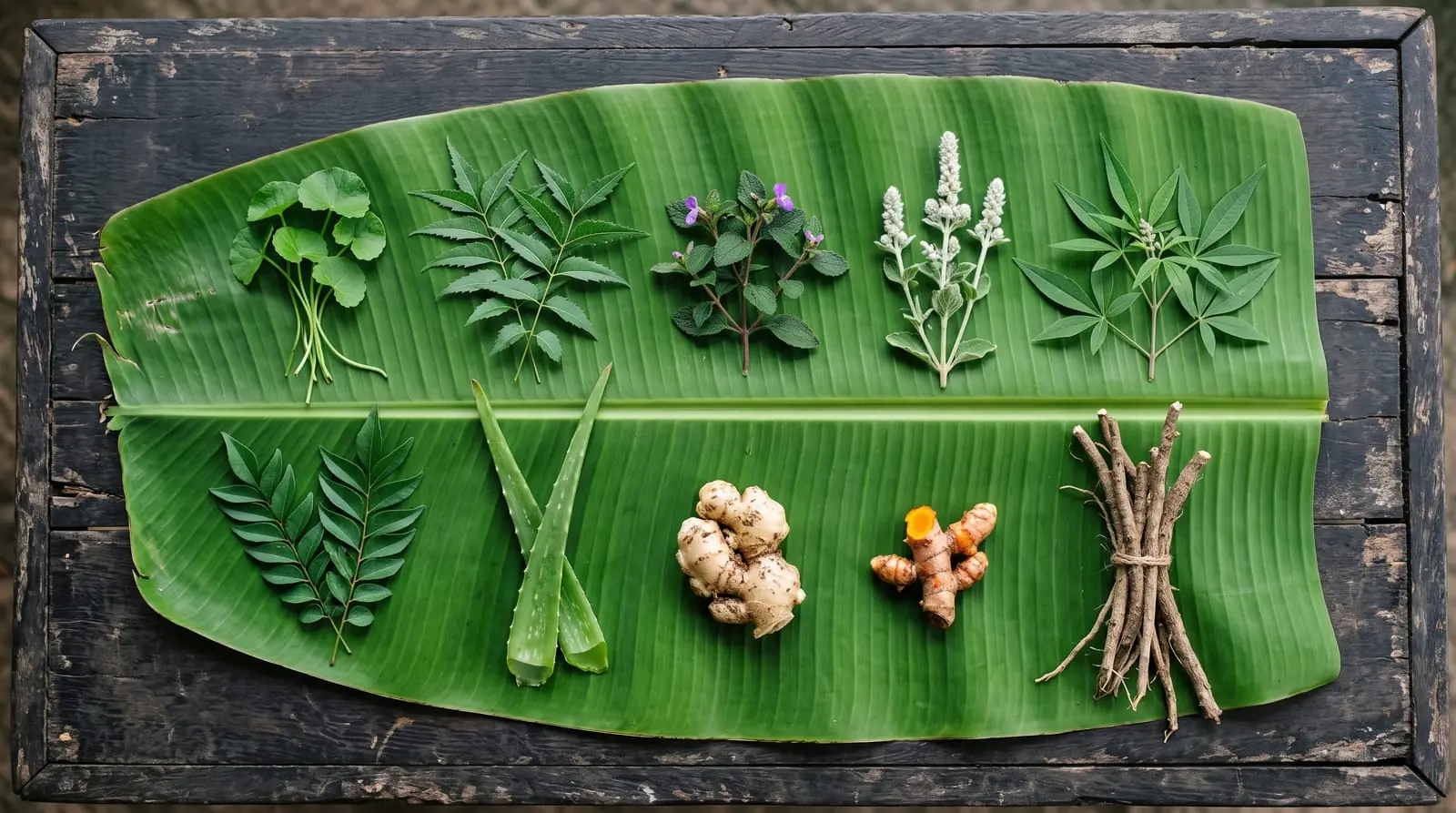
Much of the Sri Lankan pharmacopoeia grows within a few steps of the kitchen door. Our own garden in Minuwangoda holds more than 120 medicinal plants, picked fresh each day for patients' decoctions and poultices, but ten of them are worth knowing in any household.
The uses below are the traditional ones. They describe how each plant is used in everyday home care and in our dispensary; they are not a substitute for a diagnosis.
A herb is only a medicine when it is the right herb, in the right form, for the right person. The garden gives the first; the physician decides the other two.
How a herb is prepared changes what it does. The same leaf may be eaten fresh as a mallum, boiled down as a decoction (Kashaya), ground into a paste for the skin, or simmered into an oil. Our doctor chooses the form to suit the condition and the patient.
If you take regular medicine, are pregnant or are treating a child, ask before using any herb as a remedy rather than as food.
The ten herbs
- Gotukola (Centella asiatica): eaten as a sambol or kola kenda; traditionally valued for memory, skin and wound healing.
- Kohomba (neem): leaves used in washes and steam for the skin; the timber is used for our droni beds.
- Heen Bovitiya (Osbeckia octandra): taken as a herbal porridge or decoction; traditionally used to support the liver.
- Polpala (Aerva lanata): drunk as a herbal tea; traditionally used for the urinary system.
- Iramusu (Hemidesmus indicus): a cooling root drink, used when Pitta and body heat are raised.
- Karapincha (curry leaf): an everyday digestive, used in cooking and in decoctions.
- Komarika (aloe vera): the fresh gel is applied to minor burns and irritated skin.
- Inguru (ginger): taken with coriander as a warm infusion for colds and to kindle the digestive fire.
- Kaha (turmeric): used in food, and as a paste for the skin.
- Nika (Vitex negundo): leaves boiled for steam and fomentation in joint and muscle stiffness.
How our doctor prepares them
- Kashaya: fresh herbs boiled down to a decoction, prepared for the individual patient.
- Kalka and Lepa: herbs ground to a paste for use on the skin and joints.
- Taila: herbs simmered slowly into sesame oil for massage and Shirodhara.
- Churna: dried herbs milled to a fine powder for measured doses.
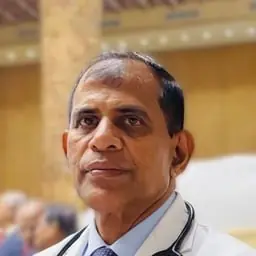
Dr. Sarath Wimalagunasekara
Founder, Chief Ayurvedic Medical Officer
Dr. Sarath graduated with clinical honours from the Institute of Indigenous Medicine at the University of Colombo. Over 28 years he has treated more than 15,000 local and international patients, and he personally oversees every Panchakarma protocol and herbal formulation prepared at the dispensary.
